Table of Contents
Introduction
Doesn't digital transformation on the shop floor always mean fewer people?
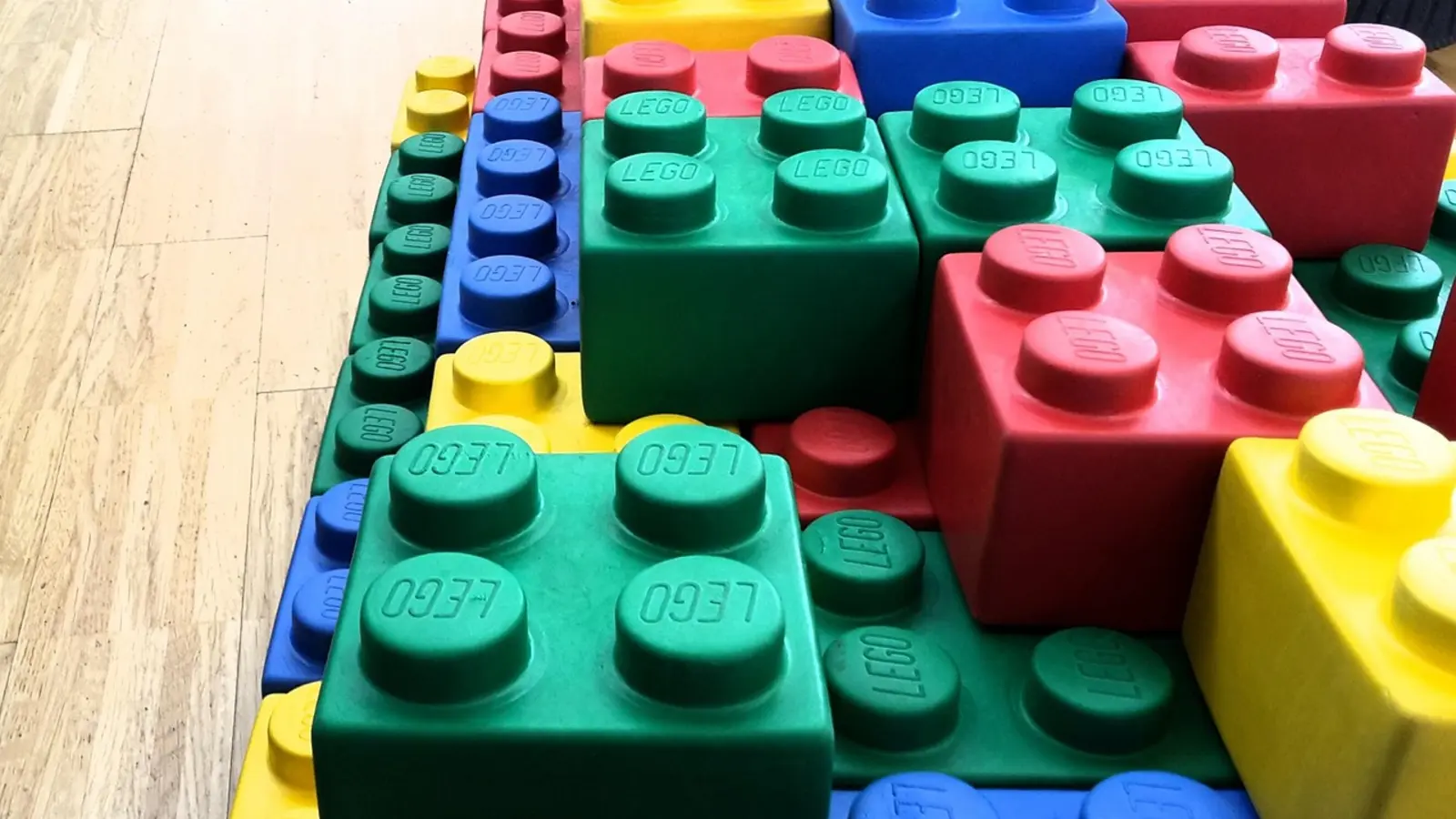
It's a reasonable assumption — a great deal of manufacturing automation is built precisely to remove a human from a decision. But one of LEGO's own manufacturing plants took a different bet, using the same category of real-time production data to make its operators better at their jobs instead of replacing them. This raises a useful question for any leadership team planning a digital roadmap: does the value of a new system come from removing the human, or from improving what the human was already doing?
In this article, we'll explore the concept of a "digital nudge," how it differs from traditional automation, and why LEGO's plant grew its floor headcount in the areas the nudge covered rather than shrinking it.
The Assumption Everyone Makes About Going Digital
Most digitization projects are framed, implicitly or explicitly, as automating a decision: a sensor replaces an inspector, an algorithm replaces a scheduler's judgment call, a robotic arm replaces a repetitive manual task. That framing isn't wrong for every use case — some decisions genuinely are better handled by a machine that doesn't get tired or distracted. But it's not the only way to use the same underlying data.
What Is a Digital Nudge?
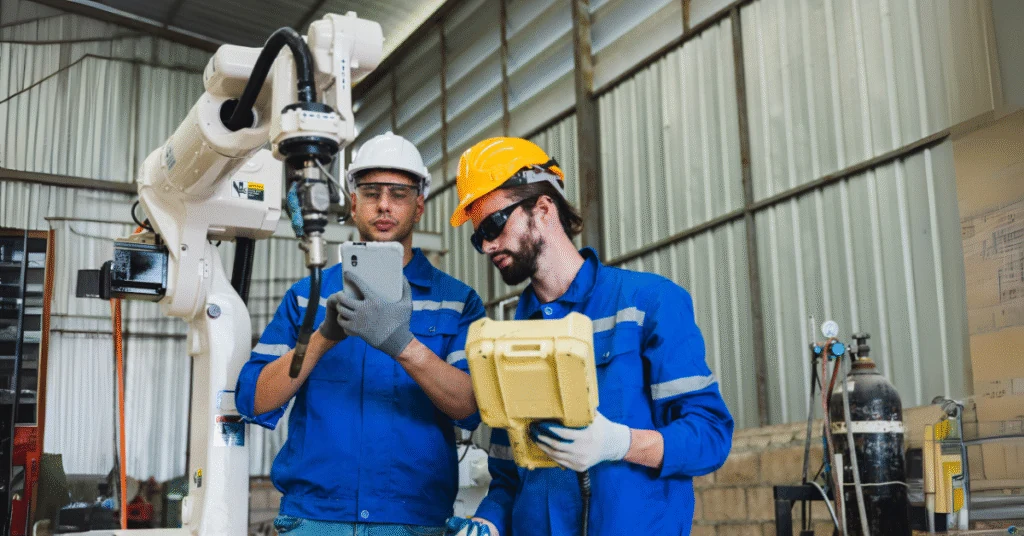
A nudge-based system takes the same real-time data an automation system would use, but instead of acting on it, surfaces it to the person already standing at the decision point — at the moment the decision is being made, framed in a way that makes the better choice obvious without removing the choice itself.
Digital Nudge vs. Traditional Automation
| Aspect | Digital Nudge | Traditional Automation |
|---|---|---|
| Who decides | The human, better informed | The system |
| Where the value comes from | Improved human judgment | Removed human step |
| Headcount effect | Often neutral or additive | Often reductive |
"A nudge suggests a better path while the person is still free to override it."
Why the Bet Went the Other Way
If the value of the system comes from a human acting on the nudge, removing the human removes the value. That's the quiet logic behind LEGO's plant keeping — and in the areas the nudge covered, growing — its floor headcount rather than shrinking it. The investment wasn't in replacing judgment; it was in making judgment better resourced, which only pays off if there's still a person there to use it.
Strategies for Designing a Nudge Instead of an Automation
1. Identify Decisions That Resist Clean Rules
Look for judgment calls that experienced operators make well but that don't reduce cleanly to a rule — subtle pattern recognition from sound, vibration, or material feel is a common example.
Where Nudges Tend to Outperform Automation
- High-Variability Decisions: Where the "right" answer depends heavily on context a sensor alone can't fully capture.
- Trust-Sensitive Roles: Where removing the human damages the operator's sense of ownership over the outcome.
- Skill-Building Opportunities: Where the nudge doubles as on-the-job training for less experienced operators.
2. Design the Nudge to Preserve the Choice
A nudge that quietly becomes mandatory has become an automation with extra steps. Keep the override genuinely available and genuinely respected.
3. Measure the Decision Quality, Not Just the Output
Track whether operators are making better-informed calls, not just whether a downstream metric moved — the two can diverge if the nudge is being ignored.
Real-Life Case Studies
Case Study 1: A LEGO Plant's Nudge-First Line
On one of LEGO's manufacturing lines, real-time production data was used to surface contextual prompts to operators at the point of decision, rather than to automate the decision outright — the specific example behind this piece. It's worth holding that alongside LEGO's broader, publicly discussed digital strategy, which has also pursued automation explicitly aimed at reducing the number of operators needed per shift on other lines. The two approaches aren't a contradiction — they're evidence that "automate the decision" and "improve the decision" are both available from the same underlying data, and which one a company reaches for is a deliberate design choice, not a foregone conclusion.
Case Study 2: Toyota's Andon-Integrated Alerts
Toyota's predictive maintenance systems, integrated with its long-standing Andon cord culture, follow a similar pattern: when a system detects conditions that could lead to a defect, it triggers an alert that a human operator investigates and acts on — preserving the human decision point rather than automating a stop or a fix outright.
Key Takeaways
- Not every use of real-time production data has to end in automating a decision.
- A digital nudge surfaces better information at the point of decision, without removing the human's choice.
- Because the nudge's value depends on a human acting on it, removing the human removes the value.
- Nudges tend to outperform automation on high-variability, trust-sensitive decisions.
- Measure whether decisions are actually improving, not just whether an output metric moved.
FAQ Section
Q: Why would adding automation require more people, not fewer?
A: Because a digital nudge only changes behavior if someone acts on it. LEGO's system prompts
operators toward a better decision at the moment it matters — it doesn't make the decision for
them, so the operator role stays essential, just better informed.
Q: Doesn't more automation always mean fewer floor roles eventually?
A: Only when the automation is designed to remove the decision from the human. A nudge-based
system is designed to improve the decision the human is still making, which is a different
design goal with a different staffing consequence.
Q: How is a "nudge" different from an alert or an alarm?
A: An alarm demands a stop; a nudge suggests a better path while the person is still free to
override it. Nudges preserve judgment and build trust in the system over time, where alarms
that fire too often just get ignored.
Q: How do you know a nudge is actually working?
A: Track whether operators are using it and making better-informed calls as a result, not just
whether a downstream KPI improved — the two can diverge if the nudge is quietly being
ignored.
Conclusion
In conclusion, the question worth asking before any digital investment isn't "can this be automated" — it's "does the value come from removing the human, or from improving what the human was already doing." LEGO's plant answered that question deliberately, and it's worth every operations leader answering it deliberately too.
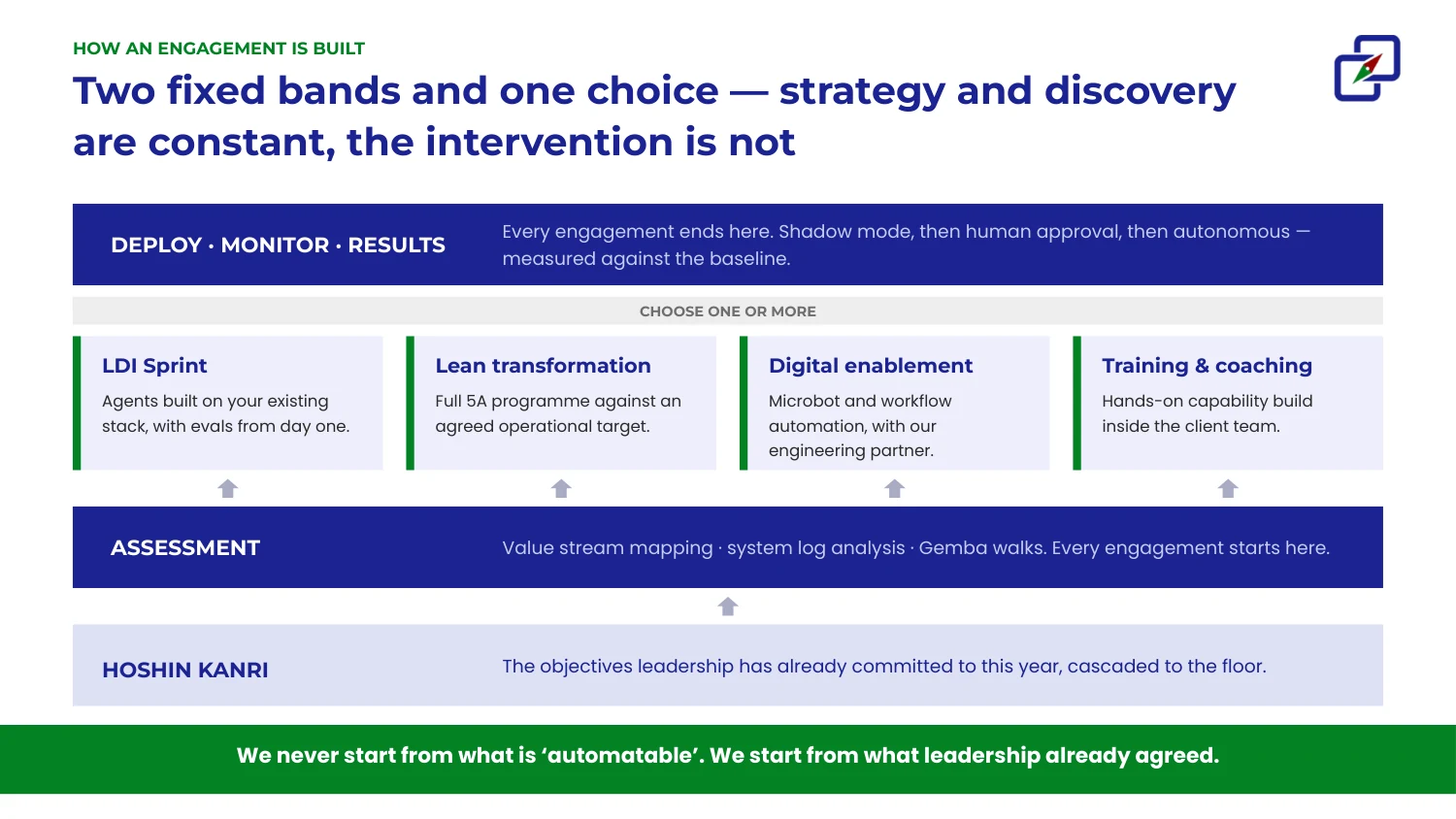
It's the same dividing line we draw in what belongs to RPA versus agentic AI. See how we scope this distinction in our own AI and automation engagements. To see where your own operation stands first, take the Lean AI readiness scorecard, or reach out to talk through your own roadmap.